


Weight Training over 40: What do you need to know?
If you are a woman over 40, you have probably noticed changes in your body that you aren’t happy with. Maybe you never had to work out before to maintain your figure and now you wake up to find that your clothes don’t fit. Or, you always kept up with a workout routine and now that old routine doesn’t seem to work for you anymore. Well, it’s not your imagination. Women as young as 35 years old start to feel the effects of perimenopause, whether your doctor wants to talk with you about it or not.
So what do I do now?
Weight training becomes MORE important after 40 – not less. Many women have been told to focus on cardio to lose weight, but during perimenopause and menopause, strength training is one of the most effective things you can do for your metabolism, body composition, bone health, and quality of life.
1. Muscle is your metabolism’s best friend
Beginning in your 30s, you naturally lose muscle mass (called sarcopenia), and that process accelerates during menopause as estrogen declines.
More muscle helps you:
- Burn more calories throughout the day
- Improve insulin sensitivity
- Reduce body fat, especially abdominal fat
- Maintain independence as you age
The goal isn’t to become bulky-it’s to preserve and build lean muscle.
2. Heavy is relative and necessary
Many women stay with 3-5 lb dumbbells for years because they’re afraid to become bulky. Instead, choose a weight that feels challenging enough that you have only about 1-3 good repetitions left when you finish a set of 8-12 reps. If your last few reps don’t feel difficult, it’s probably time to increase the weight.
3. Lift at least 2-4 days per week
- 2 days: Great for beginners and those with limited schedules
- 3 days: Ideal for most women
- 4 days: Excellent if recovery, sleep, and nutrition are good
Consistency beats perfection and one day per week is always better than none!
4. Focus on compound exercises
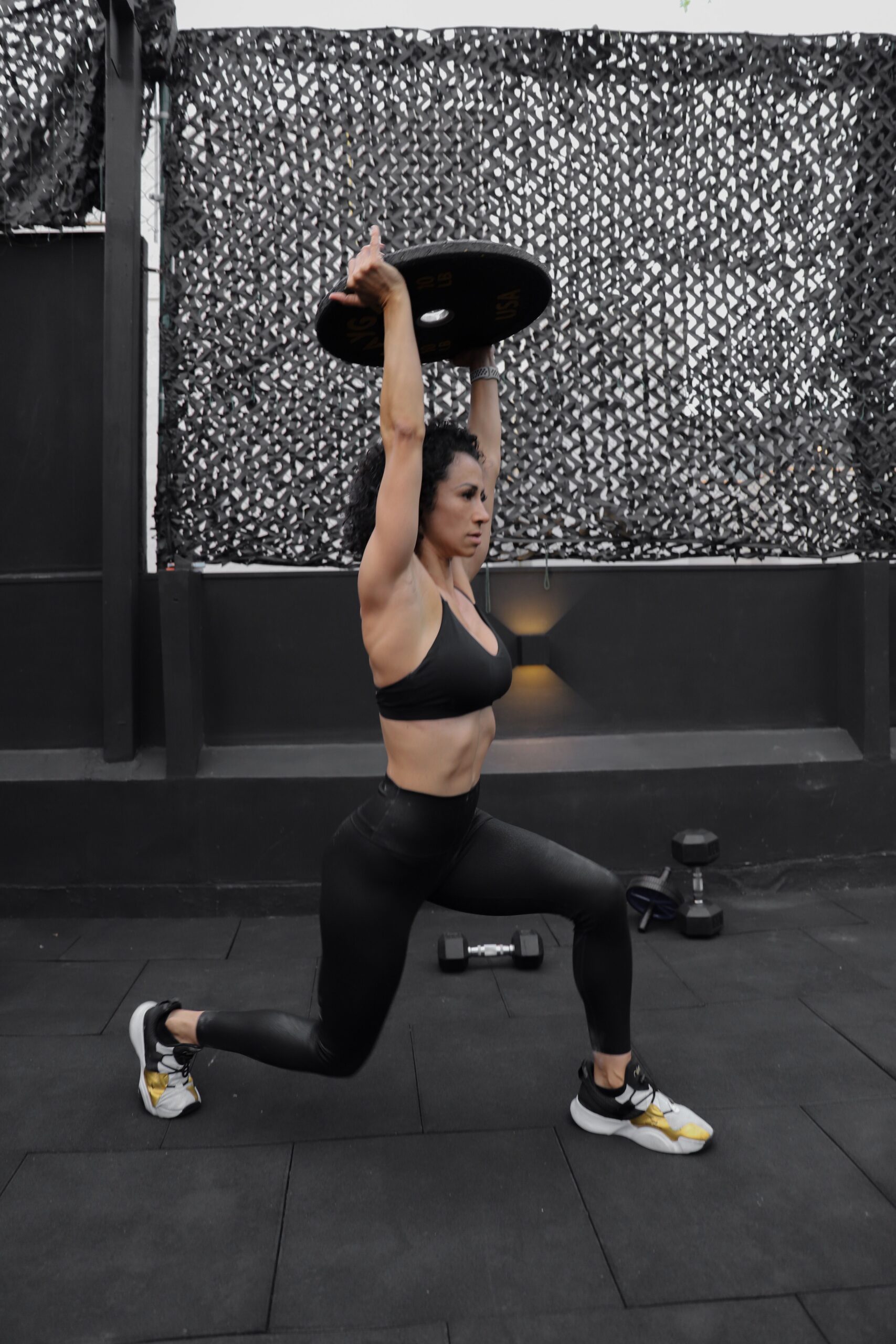
These movements work multiple muscles at once and provide the biggest return on your time. Examples: Squats, Lunges, and Rows. Isolation exercises like biceps curls are fine, but they shouldn’t be the foundation of your program.
5. Progressive overload is the secret
Your body adapts quickly, so to continue making progress, gradually increase one of the following:
- Weight
- Repetitions
- Sets
- Training quality or technique
This is where working with a personal trainer can be especially useful. Check out www.fittoyounc.com for more information on working with a certified personal trainer who specializes in weight training for women over 40.
6. Weight training protects your bones
Estrogen helps maintain bone density. As estrogen declines, osteoporosis risk increases. Resistance training helps
- Maintain bone density
- Strengthen connective tissue
- Reduce fracture risk
- Improve balance, lowering risk fall
As you can see, weight training after 40 isn’t just about building muscle, it’s about building a healthier, stronger, and more resilient body for the years ahead. As hormones change during perimenopause and menopause, strength training becomes one of the most powerful tools for maintaining a healthy metabolism, protecting bone density, preserving lean muscle, improving balance, and supporting long-term weight management. Every workout is an investment in your future health, allowing you to age with vitality, independence, and the strength to keep doing the things you love.